Your car’s engine is like a finely tuned athlete—it needs clean air to perform at its best. A clogged or dirty air filter can hold it back, reducing power, wasting fuel, and potentially causing long-term damage. Understanding air filter cleaning/replacement is one of the simplest ways to maintain peak vehicle performance and extend the life of your engine.
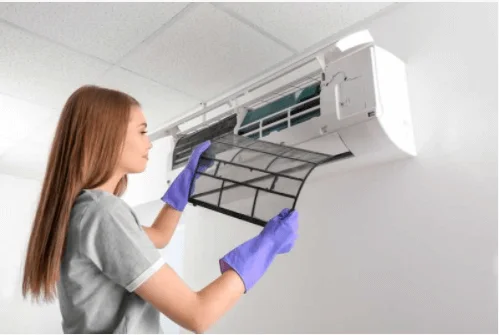
In this comprehensive guide, we’ll explore everything you need to know about maintaining your engine air filter, from recommended schedules to DIY checks and expert advice. Whether you’re a daily commuter or an off-road enthusiast, proper air filter cleaning/replacement ensures your vehicle breathes easy and delivers optimal results.
Why Your Air Filter Matters for Engine Performance
The engine air filter acts as a guardian, trapping dust, pollen, dirt, debris, and other particles before they enter the combustion chamber. A clean filter allows unrestricted airflow, enabling the perfect air-fuel mixture for efficient combustion.
When the filter becomes restricted:
- The engine works harder, leading to decreased acceleration and power.
- Fuel efficiency drops as the system compensates for poor airflow.
- Contaminants can reach sensitive components, accelerating wear on pistons, cylinders, and other parts.
Regular air filter cleaning/replacement directly contributes to better throttle response, smoother idling, and improved overall drivability. For performance-oriented drivers, this maintenance step can make a noticeable difference in how the vehicle feels on the road.
How Often Should You Perform Air Filter Cleaning/Replacement?
There isn’t a one-size-fits-all answer, as it depends on your driving conditions, vehicle type, and manufacturer recommendations. However, general guidelines provide a solid starting point.
Most experts and manufacturers suggest inspecting or replacing the engine air filter every 12,000 to 15,000 miles or at least once a year, whichever comes first. Under normal conditions, some vehicles can go up to 30,000 miles, but severe conditions demand more frequent attention.
Factors That Influence Replacement Frequency
- Driving Environment: Dusty roads, construction zones, or areas with high pollen count shorten filter life significantly—sometimes requiring changes every 6,000–10,000 miles.
- Urban vs. Highway Driving: Stop-and-go city traffic tends to clog filters faster than steady highway miles.
- Vehicle Type: Turbocharged or high-performance engines often need more frequent air filter cleaning/replacement due to higher airflow demands.
- Seasonal Variations: Spring and fall allergy seasons, or dry summer dust, can accelerate buildup.
Always consult your vehicle’s owner manual for specific intervals, as they are tailored to your model.
Signs It’s Time for Air Filter Cleaning/Replacement
Don’t wait for a set mileage if you notice these warning signs:
- Reduced Fuel Efficiency: A dirty filter forces richer fuel mixtures, increasing consumption.
- Sluggish Acceleration: The engine struggles to get enough air for quick power delivery.
- Unusual Engine Noises: Sputtering, coughing, or rough idling often point to airflow issues.
- Check Engine Light: While not always filter-specific, it can indicate related intake problems.
- Visible Dirt or Debris: A quick visual check reveals heavy discoloration or clogging.
- Black Smoke from Exhaust: Indicates an imbalanced air-fuel ratio.
Perform a simple “flashlight test” during oil changes: Shine a light through the filter. If little light passes, it’s time for replacement.
Air Filter Cleaning vs. Replacement: Pros, Cons, and Best Practices
Many wonder if cleaning is a viable alternative to full replacement.
Standard paper or pleated filters (most common in modern vehicles) are designed for one-time use. Cleaning them with compressed air, water, or cleaners can damage the delicate fibers, reduce filtration efficiency, and allow contaminants to bypass into the engine. Experts generally recommend replacement over cleaning for these disposable types.
Reusable performance filters (such as oiled cotton or foam designs from brands like K&N) can be cleaned and re-oiled multiple times. These offer excellent airflow and longevity but come at a higher upfront cost.
Comparison Table: Cleaning vs. Replacement
| Aspect | Cleaning (Reusable Filters) | Full Replacement (Standard Filters) |
|---|---|---|
| Cost Over Time | Lower long-term | Higher initial, but consistent performance |
| Filtration | Good if done properly; can degrade | Optimal with every new filter |
| Convenience | Requires time and proper tools | Quick and straightforward |
| Engine Protection | Effective when maintained correctly | Maximum protection |
| Performance | Can enhance airflow in performance setups | Reliable factory-level results |
For most drivers, sticking to manufacturer-recommended replacement intervals provides the best balance of protection and performance.
Step-by-Step Guide to Checking and Replacing Your Air Filter
Air filter cleaning/replacement is one of the most beginner-friendly maintenance tasks.
Tools You’ll Need:
- New air filter (OEM or high-quality aftermarket)
- Screwdriver or clips tool (depending on your vehicle)
- Gloves and flashlight
Basic Steps:
- Locate the air filter housing (usually a black plastic box near the engine).
- Unclip or unscrew the housing and remove the old filter.
- Inspect the housing for debris and clean if necessary.
- Insert the new filter, ensuring a proper seal.
- Reassemble and test for smooth engine operation.
Many tutorials are available online, and the job typically takes 10–20 minutes. If unsure, visit a trusted mechanic.
Benefits of Regular Air Filter Maintenance
Consistent air filter cleaning/replacement delivers multiple advantages:
- Improved Fuel Economy: Up to 10% better mileage in some cases.
- Enhanced Engine Performance: Better horsepower and torque delivery.
- Lower Emissions: Proper combustion reduces harmful exhaust.
- Extended Engine Life: Prevents abrasive particles from causing internal wear.
- Better Cabin Comfort: A clean engine filter indirectly supports overall vehicle efficiency.
Real-world example: A driver in a dusty rural area noticed a 2–3 mpg improvement and smoother acceleration after replacing a neglected filter at 8,000 miles.
Cabin Air Filters: Don’t Forget Interior Air Quality
While engine air filters focus on performance, cabin air filters improve passenger comfort by filtering air for the HVAC system. Replace these every 15,000–30,000 miles or annually, especially if you have allergies or pets. Symptoms of a dirty cabin filter include weak airflow, musty odors, or foggy windows.
Choosing the Right Air Filter for Your Vehicle
- OEM Filters: Exact fit and reliable performance.
- High-Flow Performance Filters: Great for modified engines but may require more frequent maintenance.
- Budget Options: Ensure they meet minimum filtration standards.
Always match the filter to your vehicle’s specifications for best results.
Expert Tips for Optimal Air Filter Care
- Check your filter during every oil change.
- Drive gently in extremely dusty conditions to reduce intake.
- Consider seasonal preemptive replacements.
- Keep a spare filter in your trunk for emergencies.
- Track maintenance with a simple log or app.
For performance enthusiasts, pairing a quality filter with regular intake system inspections maximizes gains.
Common Myths About Air Filters
Myth: You only need to change it when it looks dirty. Reality: Even seemingly clean filters can be restricted internally.
Myth: Reusable filters always outperform stock ones. Reality: They excel in specific scenarios but aren’t universally superior for daily driving.
Myth: Air filters last the life of the vehicle. Reality: Neglect leads to costly repairs down the line.
External Resources for Further Reading
For more technical details on engine components, check this Wikipedia entry on air filters.
Automotive experts at Forbes often share maintenance advice worth exploring for broader vehicle care tips.
Shop trusted options on Amazon by searching for your specific vehicle model.
Conclusion
Proper air filter cleaning/replacement is a small investment with big returns in vehicle performance, efficiency, and reliability. By following manufacturer guidelines, paying attention to your driving conditions, and performing regular inspections, you can keep your engine breathing freely and performing at its peak.
Take action today: Pop the hood, check your filter, and schedule a replacement if needed. Your car—and your wallet—will thank you with better mileage, smoother drives, and fewer repairs. Consistent maintenance empowers you to enjoy a more responsive, efficient, and long-lasting vehicle. Drive smarter by staying on top of this essential task.
Related posts:
![newborn baby clothes]()
How to Choose the Best Newborn Baby Clothes:
![facebook video downloader facebook video downloader]()
How to Change Name on Facebook: The Complete 2026 Guide
![Fix Orange Discoloration on MacBook Pro Screen]()
How to Fix Orange Discoloration on MacBook Pro Screen: Complete Guide to Causes & Solutions
![FIFA Club World Cup]()
Top 10 Biggest Mistakes Teams Make in the FIFA Club World Cup
![Why Does Google Deindex Website Pages and How Can You Get Them Reindexed]()
Why Does Google Deindex Website Pages and How Can You Get Them Reindexed?
![Google Gemini in 2026]()
What Is Everything You Need to Know About Google Gemini in 2026?
![fbi warns iphone android scams]()
Why the FBI Warns iPhone Android Scams Are Increasing
![What Should You Know About the iPhone 17 in 2026]()
What Should You Know About the iPhone 17 in 2026, Including Features, Specs, Price, Release Date, an...