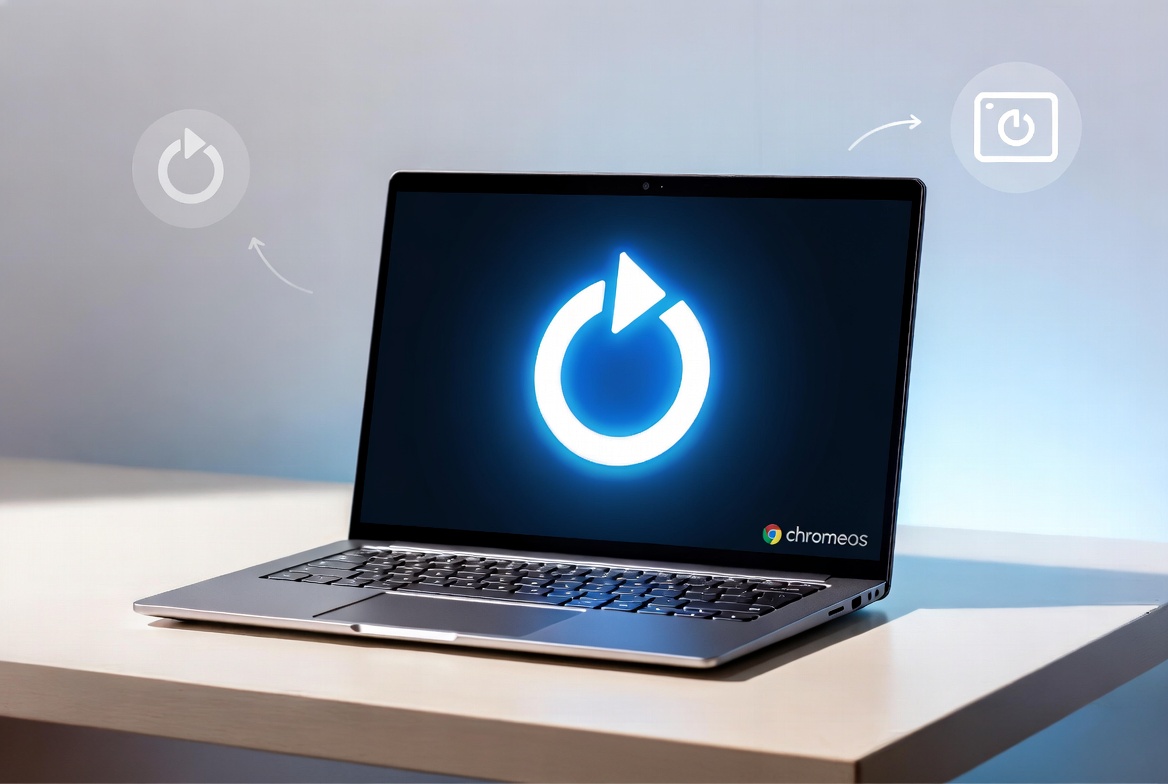
Chromebooks are known for their simplicity, speed, and security, making them popular choices for schools, businesses, and personal use. However, when a Chromebook is managed by an organization—such as a school district or company—resetting it involves extra considerations due to enterprise enrollment features.
If you’ve searched for “how do you reset a managed Chromebook,” you’re likely dealing with restrictions, persistent policies, or performance issues. This guide provides clear, actionable instructions, explains the differences between reset types, and offers practical advice for various scenarios. Whether you’re a student transitioning devices, an IT administrator, or a buyer of a second-hand unit, you’ll find helpful insights here.
Understanding Managed Chromebooks
A managed Chromebook is enrolled in Google’s enterprise management system, typically through Google Workspace for Education or Enterprise. Organizations use this to apply policies like restricted apps, website filters, or remote management.
You can usually identify a managed device by a message at the login screen saying “This device is managed” or similar indicators in Settings.
Key point: Standard resets may not fully remove management due to forced re-enrollment. This security feature ensures devices return to the organization’s control after a wipe.
Why Reset a Managed Chromebook?
There are several common reasons users want to know how do you reset a managed Chromebook:
- Resolving persistent software glitches or slow performance
- Preparing the device for a new user (e.g., selling or donating)
- Clearing out old user profiles and cached data
- Fixing login or enrollment-related issues after leaving an organization
- Troubleshooting app conflicts or extension problems
Resetting can breathe new life into your device, but expectations must be realistic for managed units.
Types of Resets Available on Chromebooks
ChromeOS offers different reset levels. Understanding them helps choose the right approach.
Hard Reset (Hardware Refresh)
A hard reset restarts hardware components without deleting data. It’s useful for fixing temporary issues like unresponsive touchpads or keyboards.
Powerwash (Factory Reset)
Powerwash is ChromeOS’s factory reset. It removes local user accounts, downloaded files, and settings while keeping the operating system intact.
Recovery Mode Reset
This reinstalls ChromeOS from recovery media or the internet—ideal for corrupted systems.
For managed devices, Powerwash is the most common starting point, though management often persists.
How Do You Reset a Managed Chromebook: Standard Powerwash Method
Here’s the simplest way to perform a Powerwash:
- Sign out of your Chromebook (important step).
- Press and hold Ctrl + Alt + Shift + R.
- Select Restart.
- In the confirmation box, choose Powerwash > Continue.
- Follow the on-screen prompts to complete the process.
After reset, the device will reboot to the setup screen. If it’s still managed, it may automatically re-enroll when connecting to the internet or signing in with certain accounts.
Expert Tip: Always back up important files to Google Drive before starting, as local Downloads folder data will be erased.
Using Recovery Mode for a Deeper Reset
If the standard Powerwash isn’t accessible or sufficient:
- Turn off the Chromebook completely.
- Press and hold Esc + Refresh, then tap the Power button.
- Release when the recovery screen appears.
- Follow prompts for internet recovery or use a USB recovery drive.
This method can be more effective for stubborn issues but won’t bypass enterprise management on its own.
Developer Mode Approach for Advanced Users
Some users attempt Developer Mode to gain more control:
- Enter recovery mode (Esc + Refresh + Power).
- Press Ctrl + D to enable Developer Mode.
- Confirm and wait for the transition (this can take 10-20 minutes).
Warning: Developer Mode disables some security features and may trigger warnings. On managed devices, it often doesn’t remove enrollment permanently. Use this only if you understand the risks and have legitimate ownership.
What to Do If Management Persists After Reset
This is a frequent challenge. If how do you reset a managed Chromebook still leaves policies in place:
- Contact the administrator: The organization that enrolled the device must deprovision it from the Google Admin Console. They can remove it from their devices list.
- Provide proof of ownership if you purchased it second-hand.
- For schools, alumni often need to request unenrollment.
Without admin action, the device may re-enroll automatically after Powerwash.
Real-World Scenario: Sarah bought a used school Chromebook online. After Powerwash, restrictions remained. Contacting the district’s IT department with her purchase receipt allowed them to deprovision it, freeing the device.
Benefits and Drawbacks of Resetting a Managed Chromebook
| Aspect | Benefits | Drawbacks |
|---|---|---|
| Performance | Clears clutter, improves speed | Temporary loss of local customizations |
| Security | Removes potential malware | May not eliminate all policies |
| Usability | Fresh start for new users | Re-enrollment can be frustrating |
| Data Safety | Cloud backups make recovery easy | Risk of forgetting to back up files |
Resetting generally offers more benefits than risks, especially since most data lives in the cloud.
Preparing Before You Reset
- Backup data: Sync files to Google Drive.
- Note extensions and settings: They may need reinstallation.
- Check device eligibility: Ensure your Chromebook still receives updates (check chrome://settings/help).
- Gather admin info: Have contact details ready for managed devices.
Common Issues and Troubleshooting
- Powerwash option grayed out: Management policies may restrict it—contact admin.
- Device won’t boot properly: Try hard reset first (Refresh + Power).
- Stuck in enrollment loop: Requires admin deprovisioning.
- Slow after reset: Updates may download in the background; give it time.
Pro Tip: Keep your Chromebook updated regularly to avoid many reset-worthy problems.
Comparing Reset Methods for Managed Devices
- Settings Menu Powerwash: Easiest for logged-in users.
- Keyboard Shortcut: Works even without full access.
- Recovery: Best for severe corruption.
- Admin Remote Wipe: Most effective for organizations.
Choose based on your access level and issue severity.
Expert Tips for Successful Reset and Management
- Use a stable Wi-Fi connection during reset.
- After reset, set up with a personal Google Account first if possible.
- For second-hand buyers: Research the device’s enrollment status before purchase.
- Consider Chromebook’s cloud-first design—resetting is less disruptive than on Windows or macOS.
- Test basic functions post-reset before installing many extensions.
When to Seek Professional Help
If basic methods fail or you’re uncomfortable with advanced steps, reach out to:
- School or company IT support
- Google Chromebook support forums
- Authorized service centers for hardware issues
For enterprise fleets, administrators have powerful tools in the Google Admin Console for bulk resets and deprovisioning.
Related Topics: Chromebook Maintenance and Optimization
Beyond resetting, maintain your device with regular updates, careful extension management, and storage cleanup. Understanding ChromeOS features helps prevent future issues.
For more on Chromebook history and technology, explore the Chromebook overview on Wikipedia.
Official guidance is available in Google’s support documentation on resetting Chromebooks.
Conclusion
Knowing how do you reset a managed Chromebook empowers you to troubleshoot effectively and maintain optimal performance. While Powerwash provides a quick fresh start in most cases, enterprise-managed devices require coordination with administrators for complete freedom from policies.
Key takeaways:
- Always back up data first.
- Start with the simple Ctrl + Alt + Shift + R method.
- Understand that management often needs admin intervention to fully remove.
- Resetting is safe and recommended for performance or ownership changes when done correctly.
By following these steps, you can make informed decisions about your Chromebook. Whether refreshing a personal device or managing a fleet, a proper reset keeps your technology running smoothly. If issues persist, don’t hesitate to involve the right support channels for the best results.
This process highlights why Chromebooks remain popular: their reset capabilities make them resilient and user-friendly in the long run. Take action today to restore your device’s full potential.
Related posts:
![newborn baby clothes]()
How to Choose the Best Newborn Baby Clothes:
![facebook video downloader facebook video downloader]()
How to Change Name on Facebook: The Complete 2026 Guide
![Fix Orange Discoloration on MacBook Pro Screen]()
How to Fix Orange Discoloration on MacBook Pro Screen: Complete Guide to Causes & Solutions
![FIFA Club World Cup]()
Top 10 Biggest Mistakes Teams Make in the FIFA Club World Cup
![Why Does Google Deindex Website Pages and How Can You Get Them Reindexed]()
Why Does Google Deindex Website Pages and How Can You Get Them Reindexed?
![Google Gemini in 2026]()
What Is Everything You Need to Know About Google Gemini in 2026?
![fbi warns iphone android scams]()
Why the FBI Warns iPhone Android Scams Are Increasing
![What Should You Know About the iPhone 17 in 2026]()
What Should You Know About the iPhone 17 in 2026, Including Features, Specs, Price, Release Date, an...