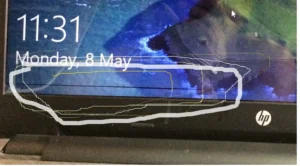
Few things inspire panic quite like opening your laptop only to be met with total darkness. You might hear the familiar startup chime, the soft whir of the internal fans, or the tactile click of the trackpad, yet the display refuses to cooperate. If you experience a sudden MacBook Screen Black event where the display remains completely unresponsive, you are far from alone. This is one of the most common issues faced by Apple laptop users across the globe.
While it is easy to assume the worst—such as an expensive logic board failure—the underlying cause is frequently a minor software hiccup, a misconfigured setting, or a temporary power management error. This comprehensive guide will walk you through why this issue happens and provide actionable, step-by-step solutions to restore your display to perfect working order.
Common Causes Behind a MacBook Screen Black Issue
Before diving straight into the fixes, it helps to understand what is happening under the hood. Pinpointing the operational state of your Mac can prevent a recurring MacBook Screen Black glitch caused by software bugs or corrupted cache files.
Generally, display failures fall into three primary categories:
-
Software and Firmware Glitches: An application may freeze while controlling the graphics card, or a corrupted macOS update can disrupt the system’s video output layout.
-
Power and Battery Anomalies: Faulty power cables, depleted batteries, or corrupted power management settings can leave the display without the energy required to turn on the backlighting.
-
Hardware and Peripheral Conflicts: Faulty accessories attached to your USB-C ports can confuse the system’s boot sequence, or internal display cables (like the notorious “flexgate” cable) may have worn down from years of opening and closing the lid.
Preliminary Checks: The Process of Elimination
When your laptop stops responding, jumping straight into complex coding or hardware teardowns is a mistake. Instead, follow a structured process of elimination (or “cancellation process”) to isolate external variables. By systematically canceling out the simplest potential causes, you save time and reduce unnecessary stress.
1. Check Your Brightness Settings
It sounds simple, but it happens more often than you think. You might have accidentally bumped the brightness down to zero, or a software bug may have failed to restore brightness after waking from sleep. Press the Brightness Up (F2 or corresponding function key) on your keyboard repeatedly. If you are using a MacBook with a Touch Bar, ensure the panel is lit and tap the brightness slider to maximize illumination.
2. Inspect the Power Supply and Cables
A completely drained battery can sometimes cause the Mac to get stuck in a black screen loop where it lacks the power to display even the low-battery icon.
-
Plug your MacBook into its official Apple charger.
-
Check the charging indicator light (if your cable has one) or listen for the charging chime.
-
Allow the laptop to charge uninterrupted for at least 15 to 20 minutes before attempting to power it back on.
3. Disconnect All External Accessories
Peripherals can occasionally send conflicting signals to your Mac’s firmware. Disconnect all external monitors, hard drives, USB hubs, and dongles. Once everything is unplugged, attempt a fresh reboot to see if an external device was drawing too much power or causing a display routing error.
Step-by-Step Resolution Process: Fixing the Display

If the basic checks do not resolve the issue, it is time to implement deeper system resets. These methods are designed to clear temporary system states and configurations without wiping your personal data.
Method 1: The Forced Power Cycle
When a computer hangs between a sleep state and an active state, a forced hard reset forces the motherboard to completely cut power and start fresh. This is highly effective for resolving the dreaded MacBook Screen Black error during a system update or an application crash.
-
Press and hold down the Power Button (or the Touch ID sensor at the top right of your keyboard) for a full 10 seconds.
-
Release the button and wait roughly 5 to 10 seconds to ensure all internal components have completely spun down.
-
Press the Power Button normally to turn the machine back on. Listen closely for the startup chime or look for the Apple logo.
[Hold Power Button 10s] ➔ [Wait 10s for Total Shutdown] ➔ [Press Power Once to Boot]
Method 2: Reset the NVRAM or PRAM (Intel Macs Only)
Non-Volatile Random-Access Memory (NVRAM) is a small amount of memory your Mac uses to store specific settings, including display resolution, startup-disk selection, time zone, and speaker volume. If these settings become corrupted, your screen might fail to initialize.
Note: This process only applies to older MacBooks powered by Intel processors. Modern Apple Silicon chips (M1, M2, M3, M4) handle these configurations automatically during bootup and do not support this manual key combination.
To reset the NVRAM:
-
Shut down your MacBook completely.
-
Press the Power Button, and immediately press and hold these four keys simultaneously: Option + Command + P + R.
-
Keep holding the keys down for about 20 seconds. You may hear the startup chime play a second time or see the Apple logo flash twice.
-
Release the keys and allow your MacBook to boot normally.
Method 3: Reset the System Management Controller (SMC)
The SMC is responsible for managing low-level physical functions on Intel-based Macs, such as thermal management (fans), power buttons, battery charging, and the LED backlighting of your display. If you are troubleshooting a MacBook Screen Black symptom related to power supply issues, an SMC reset is a vital step.
The exact method depends on whether your Intel MacBook has a removable battery, a non-removable battery, or an Apple T2 Security Chip. For most standard modern Intel MacBooks (2016–2020) with non-removable batteries:
-
Shut down the laptop and ensure it is connected to a power source.
-
On the left side of the built-in keyboard, press and hold Shift + Control + Option, then press the Power Button as well.
-
Hold all four keys down for exactly 10 seconds.
-
Release all keys at the same time, then press the Power Button normally to start your Mac.
Advanced Troubleshooting: Safe Mode and Recovery Mode
If your Mac turns on but the screen goes dark right after the Apple logo appears, the culprit is likely a third-party startup application or a corrupted system extension.
Booting into Safe Mode
Safe Mode boots your operating system using only the bare essential drivers, while simultaneously executing a directory check of your startup volume. This is perfect for fixing an unexpected MacBook Screen Black state after waking from sleep mode or following an unstable application install.
-
For Apple Silicon Macs: Turn off your Mac. Press and hold the Power Button until the screen displays “Loading startup options.” Select your main hard drive, hold down the Shift key, and click Continue in Safe Mode.
-
For Intel Macs: Turn on your Mac and immediately press and hold the Shift key until the login window appears on your screen.
If your display functions flawlessly in Safe Mode, the issue is directly linked to a third-party application or background plugin. Update your software, remove recently installed applications, or check your login items under System Settings > General > Login Items.
Utilizing macOS Recovery Mode
If your screen remains black and you suspect a deeper file system corruption, you can boot into the native recovery partition to run hardware diagnostics or reinstall the base operating system.
According to technical documentation hosted on Wikipedia, the recovery partition operates independently from your primary macOS installation, making it an excellent isolated environment for diagnostic verification.
-
Apple Silicon: Press and hold the power button during startup until the options screen shows up. Click the gear icon labeled Options and click Continue.
-
Intel Mac: Turn on the computer and instantly hold down Command + R until you see an Apple logo or a spinning globe.
Once inside the Recovery menu, launch Disk Utility. Select your primary drive (usually named Macintosh HD) and click First Aid in the top menu bar. First Aid will automatically scan your drive directories, patch invalid permissions, and repair structural errors that might prevent a clean graphical interface boot.
Hardware vs. Software Glitches: Weighing Your Options
If you have tried every software reset, safe boot, and power cycle, yet your display remains entirely dark, you are likely looking at a physical hardware failure. This could be a burned-out LED backlight or a damaged display cable.
To confirm this, look for advice in Google Support Forums or read through real-world consumer experiences on popular [suspicious link removed] where users frequently discuss how to determine if a screen is physically broken or merely sleeping. One quick trick is to shine a bright flashlight directly at the screen at a sharp angle. If you can faintly see the outline of your desktop windows or file icons under the light, your Mac is running fine—but your display’s backlight inverter has failed.
When deciding whether to fix the issue yourself or visit a professional repair center, consider the following benefits and drawbacks:
Troubleshooting Comparison Matrix
Ultimately, identifying a MacBook Screen Black failure tied to hardware display backlights means you will likely need to budget for a repair or consider transitioning your setup.
Optimizing Your External Workspace Configurations
For users who depend heavily on their laptops for production, a sudden hardware display failure highlights the critical importance of a redundant workspace layout. While some enthusiasts run complex desktop frameworks like a mobile triple screen setup simracing configuration to manage multiple high-performance visual arrays simultaneously, standard MacBook users can benefit immensely from keeping a simple external monitor nearby.
Connecting your dark MacBook to an external monitor via HDMI or Thunderbolt allows you to bypass the built-in screen entirely. If your desktop desktop shows up perfectly on the external monitor, it proves your computer’s internal processor and graphics card are completely healthy. This gives you a functional machine to back up your vital data before handing it over to a technician.
Frequently Asked Questions (FAQs)
Why is my MacBook screen black but the keyboard is lit up?
This behavior indicates that your computer is successfully receiving power and the operating system is running, but the signal is not reaching the screen backlight. It is usually caused by a frozen display sleeping state or a hardware failure involving the display flex cable. Start by performing a hard forced restart or an NVRAM reset.
Can a corrupted macOS update cause a permanent black screen?
A corrupted update can stop your graphical interface from loading, creating a black screen loop. However, this is rarely permanent. Booting into macOS Recovery Mode allowing you to safely reinstall the operating system will resolve the firmware conflict without wiping your personal files.
How can I tell if my MacBook screen is completely broken?
Connect your laptop to an external television or desktop monitor using an HDMI cable or USB-C hub. If the external display shows your desktop screen while the laptop panel stays completely black, the built-in display hardware is likely damaged and requires physical replacement.
Does Apple cover black screen repairs for free?
If your laptop is covered under its standard one-year limited warranty or an active AppleCare+ protection plan, hardware defects are covered completely free of charge. Additionally, Apple occasionally launches official quality replacement programs for known display manufacturing defects on specific older models, so check their official service programs page online.
Comprehensive Summary Checklist
To wrap up, keep this quick summary checklist handy next time your screen refuses to wake up:
-
Maximize Brightness: Use the physical keys or the touch bar slider to ensure the display illumination isn’t just turned completely down.
-
Isolate Hardware: Disconnect all accessories, dongles, and external storage drives to eliminate signal interference.
-
Perform Hard Reset: Hold down the power button for 10 full seconds to break out of a system freeze or an application crash loop.
-
Execute Memory Resets: For Intel-based devices, use the specific key patterns to refresh your vital SMC and NVRAM system settings.
-
Use Recovery Partition: Run First Aid via Disk Utility to repair system file directory errors or perform a clean reinstall of macOS.
Conclusion
Dealing with a dark, unresponsive display can temporarily halt your productivity, but following a structured approach helps you isolate software errors from physical component damage. By methodically eliminating external variables and utilizing native Mac recovery tools, you can confidently navigate tech issues and avoid unnecessary out-of-pocket repair costs.
Maintaining a resilient and smooth digital workflow goes far beyond troubleshooting a single laptop display. True efficiency involves taking a proactive, organized approach to your entire electronics ecosystem. Just as running routine system maintenance prevents unexpected hardware errors, practicing smart printer subscription management ensures your office peripherals remain fully operational without sudden supply disruptions. Taking charge of your hardware upkeep, software updates, and office subscriptions gives you a seamless, stress-free workspace built to handle any technical challenge.
Related posts:
![facebook video downloader facebook video downloader]()
How to Change Name on Facebook: The Complete 2026 Guide
![Fix Orange Discoloration on MacBook Pro Screen]()
How to Fix Orange Discoloration on MacBook Pro Screen: Complete Guide to Causes & Solutions
![Google Gemini in 2026]()
What Is Everything You Need to Know About Google Gemini in 2026?
![fbi warns iphone android scams]()
Why the FBI Warns iPhone Android Scams Are Increasing
![What Should You Know About the iPhone 17 in 2026]()
What Should You Know About the iPhone 17 in 2026, Including Features, Specs, Price, Release Date, an...
![Best Free Password Managers ifixit]()
Best Free Password Managers: Secure Your Digital Life in 2026
![Snapchat Planets - ifixit]()
How Do Snapchat Planets Work and What Does Each Planet Mean in the Friend Solar System?
![What Causes Black Lines on Laptop Screen]()
What Causes Black Lines on Laptop Screen? A Complete Troubleshooting Guide