
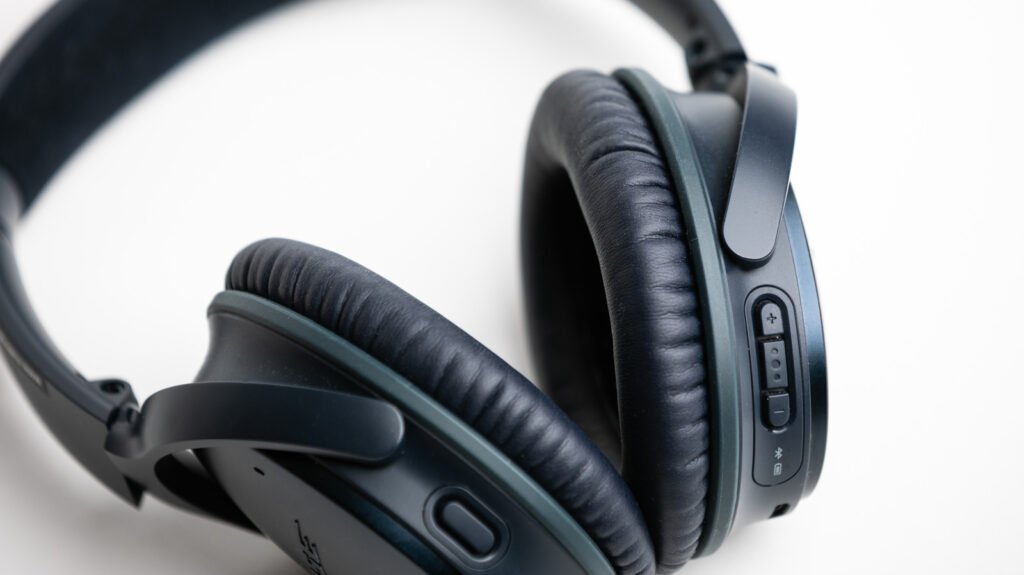
A good pair of Bose headphones can genuinely last five to seven years — but the ear pads almost never make it that long without intervention. They’re the one part designed to wear out well before the rest of the hardware, and knowing when to actually replace them saves both comfort and sound quality.
Bose’s Official Recommendation
Bose itself recommends replacing ear pads every 350 hours of use, which works out to roughly six months for someone using their headphones regularly. According to BGR’s breakdown of Bose’s guidance, this is a rough estimate rather than a hard rule — actual lifespan depends heavily on how many hours a day you wear them and the conditions they’re exposed to, particularly heat and moisture.
The Warning Signs That Actually Matter More Than a Calendar Date
Rather than tracking hours precisely, watching for physical symptoms is a more practical approach: visible cracking or flaking of the material, the cushion feeling flat or noticeably less springy than when new, a lifted or separating seam, a persistent odor, or a change in sound — bass dropping off, audio leaking around glasses, or noise cancellation feeling weaker than before. Any of these is a genuine signal it’s time for new pads, regardless of exactly how many months have passed.
Why Sound Quality Actually Changes as Pads Wear Out
Worn ear pads lose their ability to form a tight seal against your head, and that seal is doing real acoustic work — it’s what keeps bass response full and lets active noise cancellation function as intended. A pad that’s gone flat or developed gaps at the seam lets sound leak both in and out, which is why headphones can start sounding noticeably thinner or “off” well before the foam actually falls apart visibly.
How to Actually Extend Their Life
Wiping the pads down with a microfiber cloth after each use removes oil and skin residue before it has time to break down the material, and occasionally adding a small amount of water to that cloth helps lift built-up oils more thoroughly. According to Beats Insight’s detailed care guide, keeping headphones away from direct heat matters too — heat is what softens and breaks down cushioning foam over time, which is part of why pads on headphones left in a hot car or direct sunlight tend to fail faster than pads on headphones stored normally.
Give Them a Break During Long Sessions
Heat from your own head during extended wear has the same softening effect on foam as external heat sources. Taking a short break every so often during a long listening or work session, letting the pads cool and air out, is a genuinely free habit that measurably slows wear compared to hours of continuous, uninterrupted use.
Replacing Pads Yourself Is Genuinely Easy
No special tools are required — you simply pull the old pads up and outward from the earcups, then align the new cushions with the earcup tabs and press evenly around the rim until the entire seam sits flush and gap-free. The whole process typically takes five to ten minutes, and it’s designed specifically to be a user-serviceable repair rather than something requiring a service center visit.
Official vs. Third-Party Replacement Pads
Official Bose replacement pads for popular models like the QC35 run around $55 directly from the company — a genuine expense for what’s essentially a consumable part. Quality third-party pads can maintain [CLIENT LINK PLACEHOLDER] 90-95% of the original sound quality at a lower price when properly installed, though fit and acoustic accuracy vary more between third-party brands than between official Bose options, so checking reviews for your specific headphone model before buying is worth the extra few minutes.
New Pads Might Feel Different at First — That’s Normal
Fresh replacement pads often feel firmer than the worn originals you’re used to, and this typically resolves within 10-20 hours of regular use as the new foam breaks in. If discomfort persists well past that adjustment window, trying a different foam density (memory foam versus standard foam varies noticeably between brands) can solve a fit issue that isn’t actually about wear time at all.
Frequently Asked Questions
Do all Bose headphone models use the same replacement pads?
No — pads are model-specific. Checking your headphones’ serial number under the left ear cup, or checking the model in the Bose Connect app, confirms exactly which replacement pads you need before ordering.
Is it worth replacing the ear pads instead of buying new headphones?
In almost every case, yes — a $20-55 pad replacement is dramatically cheaper than replacing the entire headset, and it restores comfort and sound quality just as effectively when the rest of the hardware is still working fine.
The Bottom Line
Ear pads are the one Bose component built to wear out on a predictable schedule, and treating replacement as routine maintenance — rather than waiting for them to visibly fall apart — keeps both comfort and sound quality consistent for the full working life of an otherwise durable pair of headphones.