The UK right to repair rules give you access to spare parts and repair information for some household appliances, but they do not cover phones or laptops. Since 1 July 2021, makers of washing machines, dishwashers, fridges and TVs sold in Great Britain must make certain spare parts available for 7 to 10 years. For a faulty phone or laptop, your main protection is still the Consumer Rights Act 2015 and the manufacturer’s warranty.
That gap surprises a lot of people, especially as the EU has moved further. This guide explains exactly what the right to repair UK rules cover, what they leave out, and what you can do today when a gadget or appliance breaks.
What is the right to repair in the UK?
“Right to repair” is the idea that you should be able to fix the things you own, or have them fixed by an independent repairer, instead of being pushed to buy a replacement. In the UK, the main legal step came through ecodesign regulations that took effect in July 2021.
As Tech Advisor reported when the rules started, they only apply to appliances bought on or after 1 July 2021, and manufacturers were given a two-year grace period before they had to comply.
Which products are covered by the right to repair UK rules?
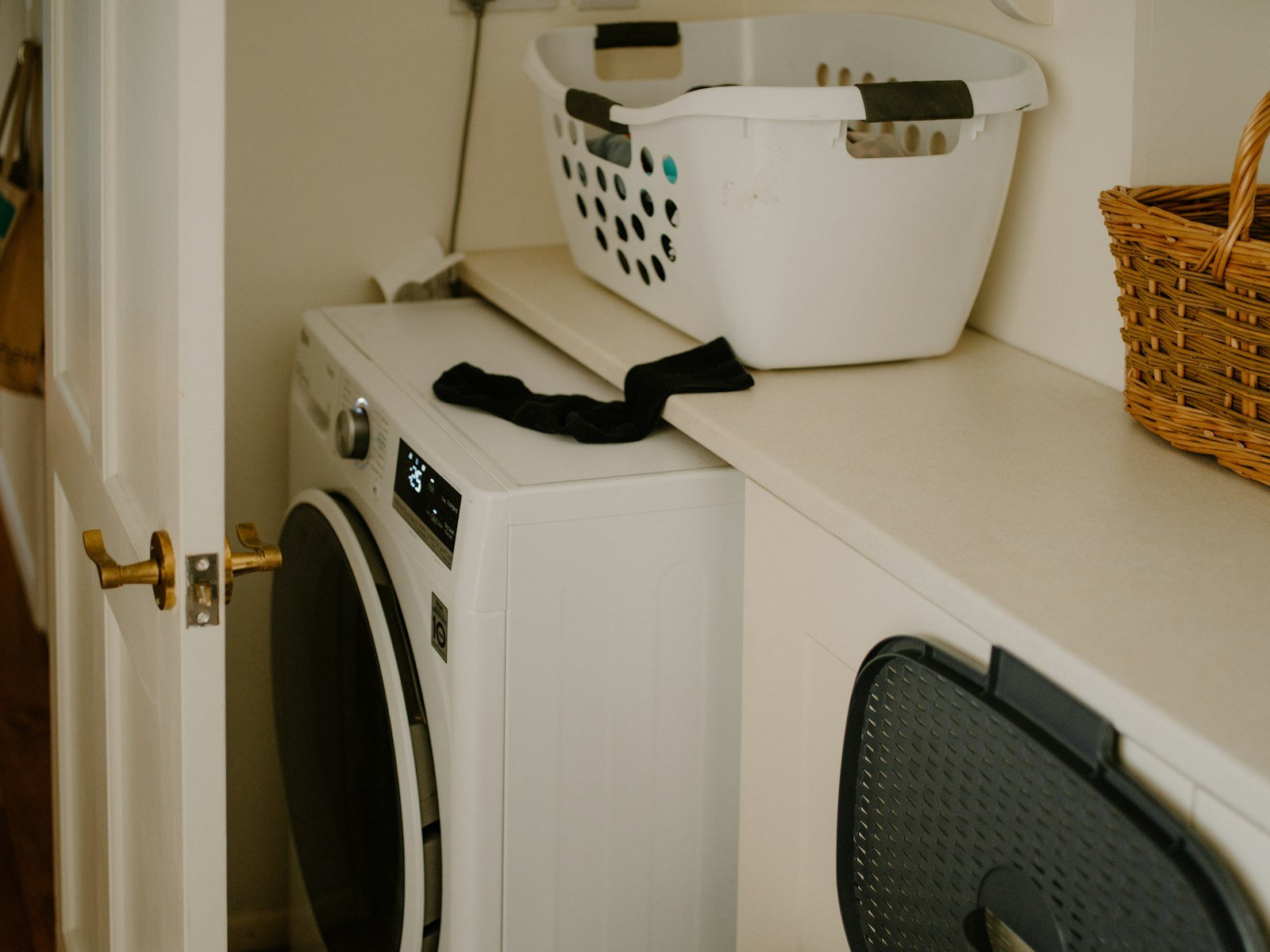
The 2021 rules cover a short list of larger household products:
- Washing machines and washer-dryers
- Dishwashers
- Fridges and freezers
- Televisions and other electronic displays
- Some specialist appliances used by shops and businesses
What is not covered
Just as important is what was left out. The rules do not cover:
- Smartphones and mobile phones
- Laptops
- Cookers and hobs
- Tumble dryers and microwaves
- Vacuum cleaners
- Small appliances such as kettles, toasters and blenders
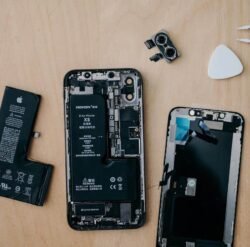
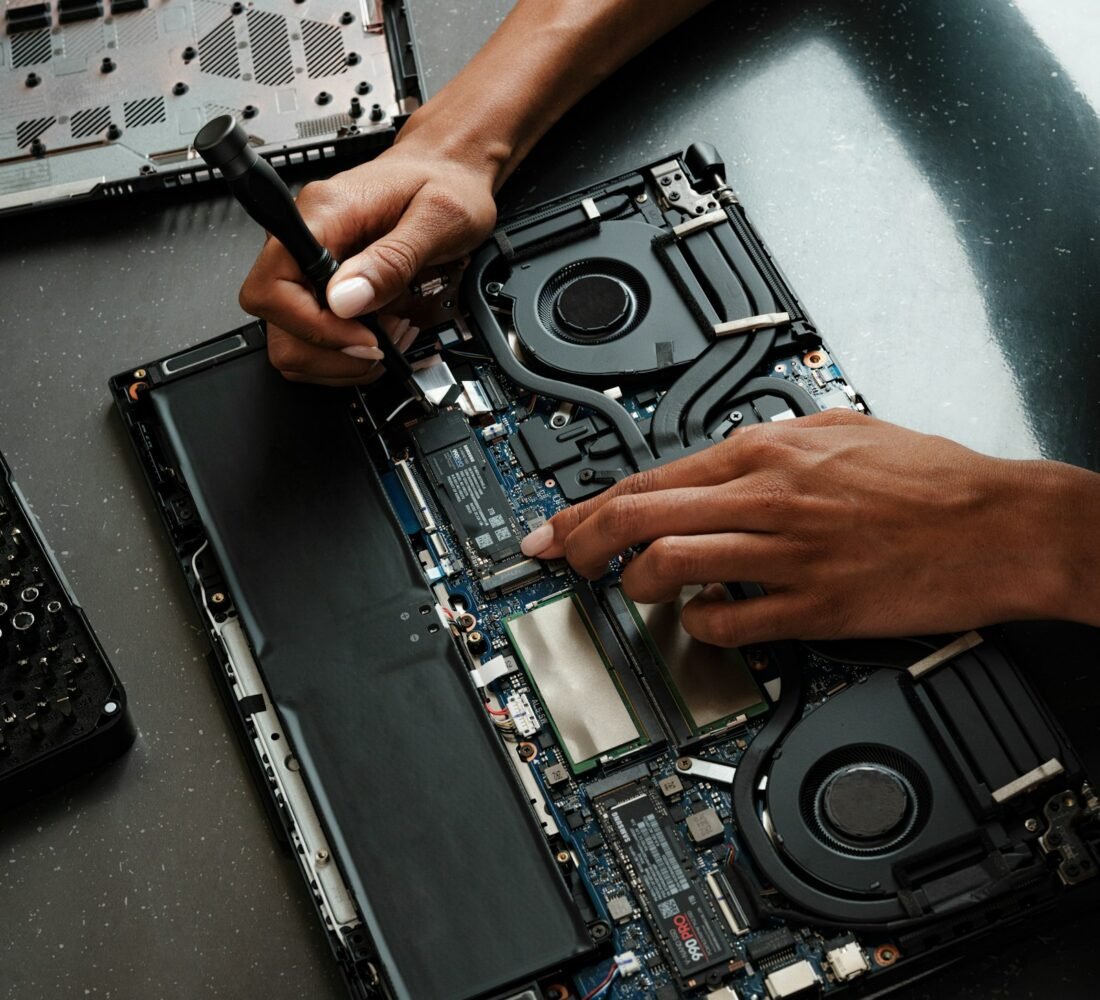
So if your phone screen cracks or your laptop battery dies, there is no UK right to repair law forcing the manufacturer to sell you parts. That is why practical guides like ours on whether to repair or replace a cracked laptop screen are still so useful.
Spare parts: how long manufacturers must supply them
For the appliances that are covered, the rules set clear timelines:
| Requirement | What the UK rules say |
|---|---|
| When parts must be available | Within two years of the appliance going on sale |
| How long parts must stay available | 7 or 10 years after the model is discontinued, depending on the part |
| Repairability | Repairs must be possible with ordinary tools |
| Information | Products must come with a repair manual |
| Price of parts | No cap: manufacturers can set their own prices |
Parts you can buy vs parts only professionals can get
This is the part most people miss. The rules split spare parts into two groups:
- Parts for consumers: only “simple and safe” items such as door hinges, gaskets, baskets and trays.
- Parts for professional repairers only: bigger components such as motors and heating elements.
In other words, you can replace a dishwasher basket yourself, but you may need a professional repairer to get a new motor.
How the UK compares with the EU right to repair
The EU has approved broader right to repair rules. According to Which?, the EU approach includes:
- Manufacturers repairing common household goods, with smartphones also covered
- A ban on practices that block independent repairs
- Spare parts at reasonable prices for independent repairers
- A repair during the legal guarantee extending the guarantee by a year
- Affordable repairs offered for five to 10 years after sale
- An online platform to find nearby repairers and prices
These EU rules do not apply in Great Britain. Which? has previously challenged the UK government to widen the rules to more appliances and to make parts available immediately rather than after up to two years.
There is a separate EU change on phone batteries too, which we covered in phone batteries having to be easier to remove.
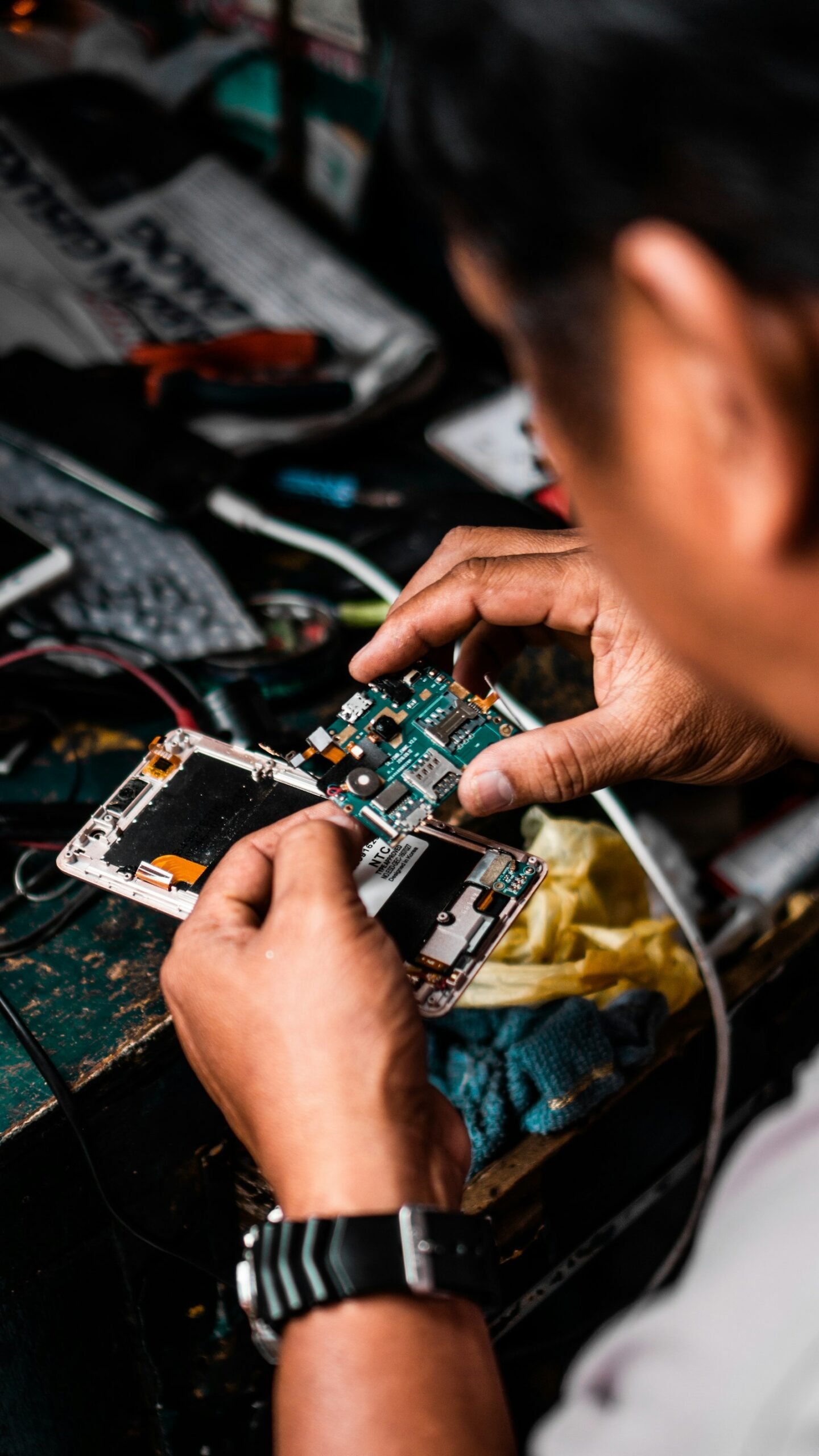
Your rights when a phone or laptop develops a fault
Even without a right to repair law for phones and laptops, UK shoppers have strong protection under the Consumer Rights Act 2015. Goods must be of satisfactory quality, fit for purpose and as described. If they are not:
- Within 30 days: you can ask for a full refund, repair or replacement.
- 30 days to six months: you can ask for a repair or replacement, and the retailer is expected to accept that the fault was there from the start unless it can show otherwise.
- After six months: you can still claim, but you must show the fault existed when you got the item.
- Time limit: you can pursue a claim for up to six years in England, Wales and Northern Ireland, and five years in Scotland.
Your claim is against the retailer, not the manufacturer. Most phones and laptops also come with a manufacturer warranty, which runs alongside your statutory rights and does not replace them.
What to do when something breaks: a practical checklist
- Check the date you bought it. Under six months old? Go back to the retailer first under the Consumer Rights Act.
- Check the warranty. Many manufacturers repair for free within the warranty period, though DIY repairs can void it.
- For covered appliances bought since July 2021, ask the manufacturer for spare parts or a list of approved professional repairers.
- Get an independent quote. Local repair shops are often cheaper than the manufacturer, especially for phones and laptops.
- Compare repair cost with replacement cost. As a rule of thumb, repair makes sense when it costs well under half the price of a like-for-like replacement and the device is otherwise in good shape.
- Try safe DIY fixes such as cleaning ports, resetting settings or replacing simple parts, but avoid opening batteries or mains-powered appliances unless you are confident.
For a common example, our guide on replacing a phone battery or buying a new phone walks through the numbers step by step.
Frequently asked questions
Does the UK have a right to repair law for phones?
No. The UK right to repair rules introduced in 2021 cover appliances such as washing machines, dishwashers, fridges and TVs. Smartphones and laptops were excluded, so your protection for faulty phones comes from the Consumer Rights Act 2015 and the manufacturer’s warranty.
When did the right to repair start in the UK?
The rules came into force on 1 July 2021 and apply to covered appliances bought on or after that date. Manufacturers had a two-year grace period before they had to comply.
Can I buy spare parts for my washing machine directly?
You can buy simple, safe parts such as hinges, gaskets, baskets and trays. More complex parts, such as motors and heating elements, are only supplied to professional repairers.
Do EU right to repair rules apply in the UK?
No. The EU’s newer, wider rules apply to EU consumers. Great Britain follows its own 2021 regulations.
The bottom line
The right to repair UK rules are a useful start for big household appliances, giving you years of spare parts and repair manuals. But they stop short of phones, laptops and many everyday gadgets, and they do not cap what parts cost. For tech, lean on the Consumer Rights Act, your warranty and a good independent repairer, and use our guide to the DIY repair mistake that can destroy your device before you pick up a screwdriver.