The TH700R4 (also known as the 700R4) is a popular four-speed automatic transmission from General Motors, widely used in vehicles from the early 1980s through the early 1990s. Renowned for its overdrive fourth gear that improves fuel efficiency, it remains a favorite in classic cars, trucks, and performance builds.
However, one frustrating issue many owners encounter is the TH700R4 shifting from 1st to 3rd gear directly, skipping second gear. This can cause harsh shifts, loss of power, increased wear, and poor drivability. Understanding why this happens and how to address it can save you from costly repairs.
In this comprehensive guide, we’ll explore the causes, symptoms, diagnostic steps, and practical fixes for this problem. Whether you’re a beginner mechanic or an experienced enthusiast, you’ll find actionable advice to get your transmission performing reliably again.
Understanding the TH700R4 Transmission Basics
The TH700R4 is a hydraulically controlled automatic transmission featuring four forward gears and reverse. Its gear ratios are approximately:
- 1st: 3.06:1
- 2nd: 1.63:1
- 3rd: 1.00:1
- 4th (Overdrive): 0.70:1
- Reverse: 2.29:1
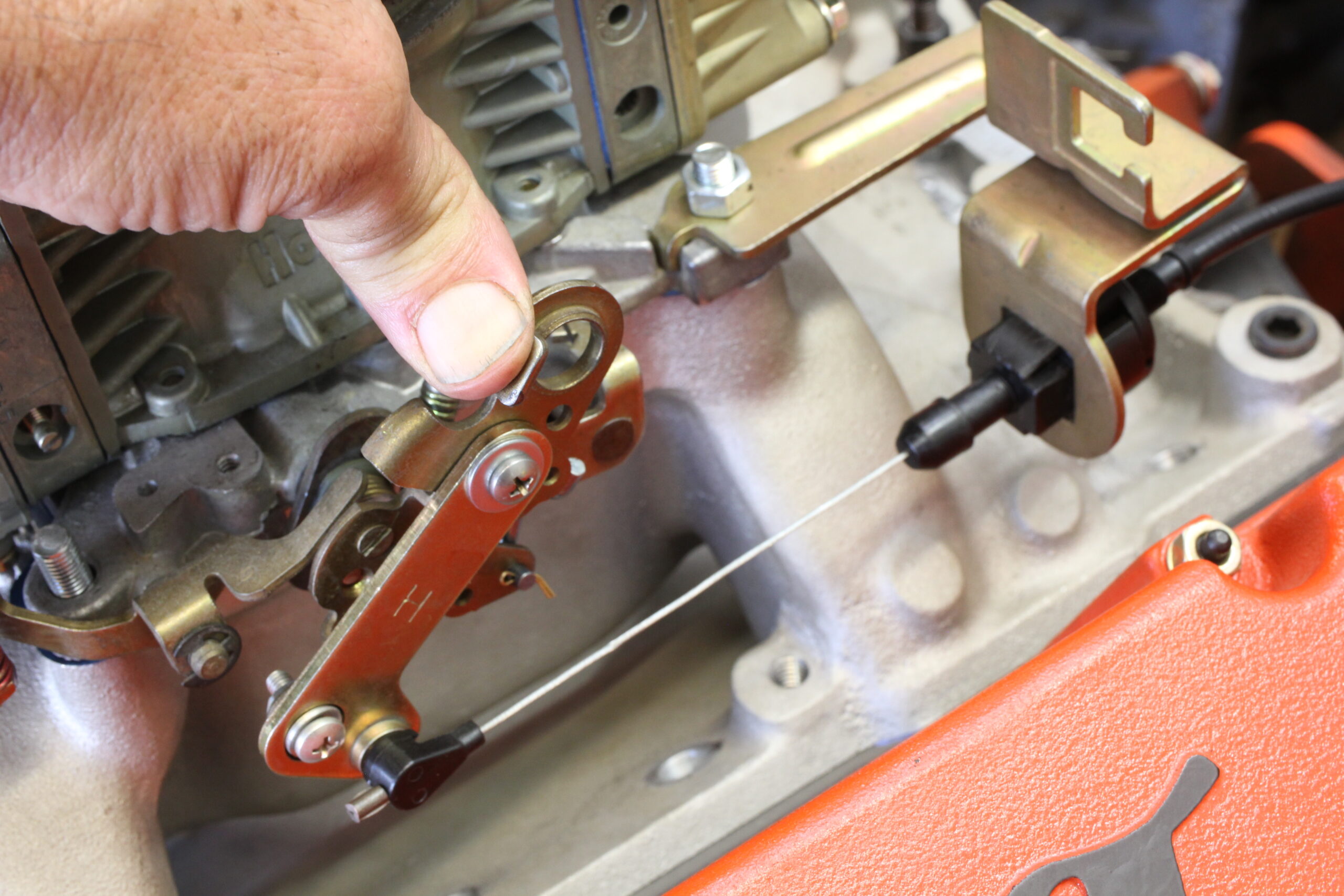
Unlike modern electronic transmissions, the 700R4 relies on a combination of hydraulic pressure, a throttle valve (TV) cable, and a governor to determine shift points. The TV cable links to your throttle body or carburetor and signals engine load, while the governor senses vehicle speed.
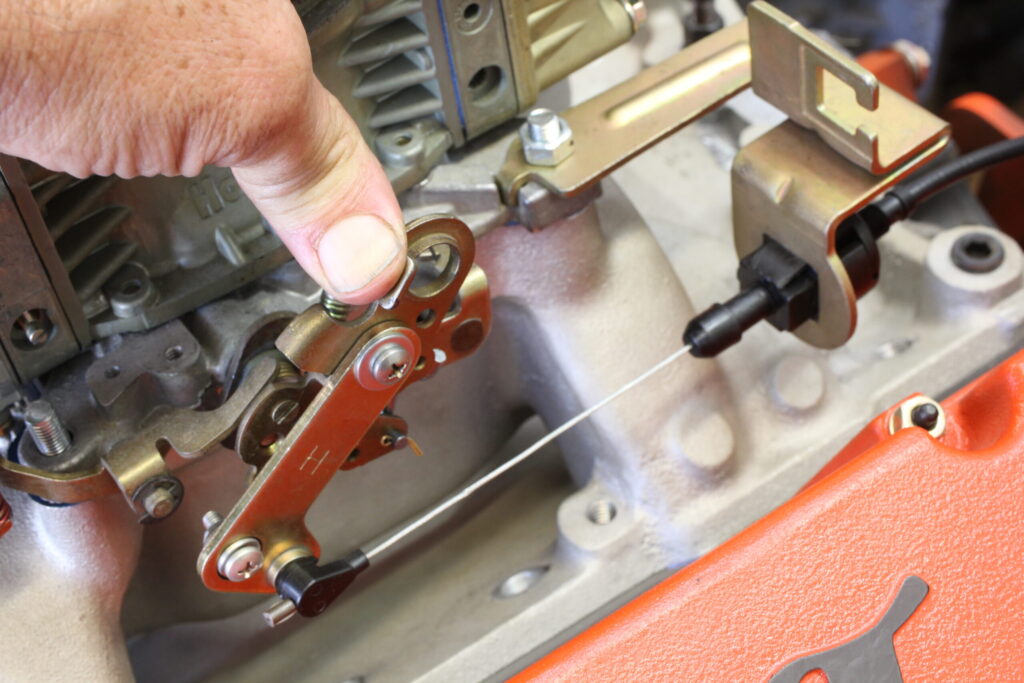
When these components work in harmony, shifts are smooth and timely. Disruptions in this balance often lead to skipped gears, such as the TH700R4 shifting from 1st to 3rd gear.
Common Symptoms of TH700R4 Shifting Issues
If your transmission is jumping from 1st directly to 3rd, you might notice:
- Abrupt or delayed shifts between gears.
- High RPMs before shifting occurs.
- Slipping or flare during acceleration.
- Reduced acceleration, especially when merging onto highways.
- Check engine light (in some setups) or unusual noises.
Real-world scenario: A driver in a classic Chevy truck might accelerate normally from a stop but feel a sudden “bang” into third gear around 25-35 mph, missing the torque multiplication of second gear. This not only feels unnatural but stresses the 3-4 clutch pack over time.
Primary Causes of TH700R4 Shifting from 1st to 3rd Gear
Several factors can cause this specific skipping behavior. Here are the most common ones based on mechanic reports and owner experiences.
1. Incorrectly Adjusted or Faulty TV Cable
The TV cable is often the #1 culprit for shifting problems in 700R4 transmissions. If it’s too loose or not properly adjusted, the transmission receives incorrect line pressure and shift signals, causing early or stacked shifts (like 1st to 3rd).
Why it happens: Misadjustment leads to low line pressure, making the 2-4 band or related clutches engage improperly.
2. Governor Problems
The governor, located on the driver’s side of the transmission, controls upshifts based on speed. A sticking valve, broken gear, or worn weights/springs can prevent proper 1-2 shift timing, forcing a direct jump to 3rd.
3. 2-4 Band or Servo Issues
The 2-4 band applies for second and fourth gears. If the servo piston is worn, seals leak, or the band is loose/broken, second gear won’t engage properly, resulting in a skip to third.
4. Clutch Pack Wear (Especially 3-4 Clutches)
Worn or burnt 3-4 clutch packs are common in high-mileage or abused units. While they primarily affect 3rd and 4th, related hydraulic issues can influence earlier shifts.
5. Valve Body or Check Ball Problems
Debris, worn valves, or misplaced check balls in the valve body can disrupt hydraulic circuits for second gear.
6. Low Fluid Level or Contaminated Fluid
Insufficient or dirty fluid reduces pressure and causes erratic shifting.
Other less common causes include a cracked input drum or pump issues.
Diagnosing the TH700R4 Shifting from 1st to 3rd Gear Problem
Follow these steps for a systematic diagnosis:
- Check Fluid Level and Condition — Park on level ground, engine running in Park. Fluid should be between the marks on the dipstick and smell fresh (not burnt).
- Inspect the TV Cable — Ensure it moves freely and has proper tension.
- Test Drive — Note exact speeds and throttle positions where the skip occurs.
- Governor Check — Remove and inspect for free movement of the valve.
- Pressure Testing — Use a gauge to check line pressure (requires mechanical knowledge).
Expert Tip: Start with the simplest fixes—fluid change and TV cable adjustment—before tearing into the transmission.
How to Fix TH700R4 Shifting Problems: Step-by-Step Solutions
Adjusting the TV Cable (Most Common Fix)
Proper TV cable adjustment is critical for transmission longevity.
Steps:
- With the engine off, push the adjustment tab and retract the slider fully.
- Have an assistant press the accelerator to wide-open throttle (WOT). The cable should pull out and ratchet to the correct position.
- Release and verify no slack at idle, with full pull at WOT.
Fine-tune based on shift feel: Too tight causes late/harsh shifts; too loose causes early/soft shifts.
Cleaning or Replacing the Governor
- Drain fluid and remove the pan.
- Locate and extract the governor.
- Clean thoroughly or replace if the valve sticks or gear is damaged.
2-4 Servo and Band Service
Upgrading to a Corvette servo (larger apply area) often improves second and fourth gear firmness.
Fluid and Filter Change
Use Dexron III or compatible fluid. Replace the filter and add a deeper pan for better cooling if needed.
Actionable Advice: Always install an auxiliary transmission cooler, especially in towing or performance applications.
Preventive Maintenance for Your TH700R4
- Change fluid and filter every 30,000 miles.
- Adjust TV cable after any throttle body work.
- Monitor for leaks and unusual noises.
- Consider a rebuild kit with upgraded clutches and bands for high-torque engines.
Benefits vs. Drawbacks of DIY Fixes:
| Approach | Benefits | Drawbacks |
|---|---|---|
| TV Cable Adjust | Cheap, quick, often effective | May not fix mechanical wear |
| Governor Service | Restores proper shift timing | Requires pan drop |
| Full Rebuild | Long-term reliability | Expensive, time-consuming |
| Professional Shop | Expert diagnosis | Higher cost |
When to Seek Professional Help
If basic adjustments don’t resolve the TH700R4 shifting from 1st to 3rd gear issue, or if you notice metal shavings in the pan, consult a transmission specialist. A full rebuild might be necessary for high-mileage units.
For parts, check reputable suppliers like Summit Racing or Monster Transmission.
Upgrading Your TH700R4 for Better Performance
Many owners upgrade to shift kits, high-performance servos, or even convert to a 4L60E for electronic control. These modifications can prevent future skipping issues while improving durability.
Real-World Examples and Owner Experiences
Forum users often report that a simple TV cable reset fixed their skipping problem in daily-driven trucks. In one case, a rebuilt 700R4 skipped gears due to a stuck governor valve after contamination—cleaning resolved it quickly.
Conclusion
Dealing with a TH700R4 shifting from 1st to 3rd gear can be concerning, but it’s usually fixable with proper diagnosis. Start by checking and adjusting the TV cable, inspecting the governor, and ensuring clean fluid. These steps often restore smooth operation without major expense.
Key takeaways:
- Prioritize TV cable adjustment for optimal line pressure.
- Maintain regular fluid changes to prevent wear.
- Address issues early to avoid damaging expensive components like clutch packs.
By understanding your transmission and performing proactive maintenance, you can enjoy reliable performance from your classic GM vehicle for years to come. If you’re unsure about any step, don’t hesitate to consult a professional—your transmission will thank you with smoother shifts and better longevity.
Note: This article is for informational purposes. Always follow safety guidelines and manufacturer specifications for your specific vehicle.
External Links for Further Reading:
- Learn more about the Turbo-Hydramatic transmission family on Wikipedia.
- Explore performance upgrades and parts on trusted retailers like Amazon.
- Join discussions on Reddit communities dedicated to GM transmissions for owner insights.
Related posts:
![a/c vehicle repair]()
How Do You a/c vehicle repair System That Is Not Blowing Cold Air?
![Engine Repair ifixit.org.uk]()
How Do You Know When It Is Time for a Professional Engine Repair?
![AEE Mach 1 Troubleshooting ifixit.org.uk]()
How Can You Troubleshoot Common AEE Mach 1 Problems and Get Your Action Camera Working Again?
![Car and Truck Wiper Blades Replacement ; ifixit.org.uk]()
How Do You Replace Car and Truck Wiper Blades and Choose the Right Size for Your Vehicle?