The good news is that performing a Car and Truck Wiper Blades Replacement is one of the easiest and most affordable DIY maintenance tasks you can do. This comprehensive guide will walk you through everything you need to know: how to find the exact blade size, choose the right type for your driving conditions, and replace them step‑by‑step. We’ll also share expert maintenance tips to help your new blades last longer and keep your view crystal‑clear.
How to Replace Car and Truck Wiper Blades and Choose the Right Size
Why Getting the Right Wiper Blade Size Matters More Than You Think
You might be tempted to buy whatever blade is on sale, but using the wrong size can create serious problems. A blade that’s too long may extend past the windshield edge, hit the trim, or even overlap the other blade. This can cause the rubber to tear, bend the wiper arm, or scratch your windshield. On the other hand, a blade that’s too short leaves unwiped areas directly in your line of sight, creating dangerous blind spots during rain or snow.
A study by the AA found that drivers with poor wiper performance were 37% more likely to misjudge road conditions in heavy rain.
Modern vehicles equipped with ADAS (Advanced Driver‑Assistance Systems) rely on a clear view through the windshield for cameras and sensors. The wrong blade size can smear water across the camera lens, causing lane‑keep assist, automatic emergency braking, and adaptive cruise control to malfunction.
Quick Reference: Common Wiper Blade Sizes by Vehicle Type
| Vehicle Type | Driver Side | Passenger Side |
|---|---|---|
| Small Car / Sedan | 22–26 inches | 16–20 inches |
| SUV / Crossover | 24–28 inches | 18–22 inches |
| Pickup Truck / Large SUV | 26–32 inches | 20–24 inches |
Source: Industry sizing guidelines
💡 Expert Tip: Always replace both front blades at the same time. Even if only one looks worn, the other is likely close behind. Uneven wear can cause streaking and reduced visibility.
Three Foolproof Ways to Find the Correct Wiper Blade Size
Before you buy new blades, you need to know exactly what size your vehicle requires. Here are the most reliable methods, from easiest to most hands‑on.
Method 1 — Check Your Owner’s Manual (The Gold Standard)
Your vehicle’s owner’s manual is the definitive source. Look under sections like “Maintenance,” “Specifications,” or “Wiper Blades.” It will list the exact lengths for the driver’s side, passenger’s side, and rear wiper. If you’ve lost your physical copy, a quick online search for “[Your Car Year, Make, Model] owner’s manual PDF” will usually turn up a digital version.
Method 2 — Use an Online Lookup Tool (The Fastest)
Many major auto parts retailers and manufacturers offer online tools where you simply enter your vehicle’s year, make, and model to get the correct sizes and connector types. You can also find reliable fit guides on websites like iFixit.org.uk | Repair Guides, Tools & Parts, which provide detailed vehicle‑specific information.
H3: Method 3 — Measure Your Existing Blades (The DIY Approach)
If you don’t have access to the manual or the internet, measuring your current blades is straightforward:
-
Lift the wiper arm away from the windshield until it locks in the service position.
-
Place a towel on the glass underneath in case the arm slips back.
-
Measure from one tip of the blade assembly to the other tip (not just the rubber insert).
-
Record the length in inches, rounding to the nearest whole inch.
-
Repeat for the other side and the rear wiper.
Remember: Driver and passenger sides are often different lengths. Be sure to measure each one separately.
Understanding Wiper Blade Types — Which One Is Right for You?
Once you know the size, you’ll face a choice of three main blade types. Each has its own strengths and ideal use cases.
H3: Conventional (Traditional) Blades
How they work: A metal frame with multiple pressure points holds the rubber squeegee against the windshield. This design has been around for decades.
Best for: Budget‑conscious drivers in mild climates. They are affordable and widely available.
Drawbacks: The frame can collect snow and ice, causing the blade to lift off the glass in winter. They also tend to wear out faster than other types.
Beam (Frameless) Blades
How they work: A one‑piece spring steel beam inside the rubber blade provides consistent tension across the entire length, allowing it to hug curved windshields more closely.
Best for: Highway driving, harsh winters, and modern vehicles with curved glass. Beam blades have no external frame to clog with ice and snow, and they last about twice as long as conventional blades.
Drawbacks: Higher upfront cost (typically $15–$30 per blade), though the longer lifespan often makes them more economical in the long run.
Hybrid Blades
How they work: These combine a conventional metal frame with an aerodynamic rubber shell. The shell protects the frame from snow and ice while maintaining the pivoting suspension points that press the blade evenly against the windshield.
Best for: Drivers who want a balance between price, performance, and all‑weather capability. Hybrids are excellent for mixed conditions.
Drawbacks: Slightly heavier than pure beam blades, but generally offer quiet operation and good longevity (12–20 months).
Comparison Table: Wiper Blade Types at a Glance
| Type | Lifespan | Best For | Price Level | Winter Performance |
|---|---|---|---|---|
| Conventional | 6–12 months | Budget, mild weather | Low | Poor (ice clogging) |
| Beam | 12–24 months | Highway, winter, rain | Medium‑High | Excellent |
| Hybrid | 12–20 months | Mixed weather, daily driving | Medium | Good |
Source: Industry performance comparisons
Step-by-Step Guide to Replacing Wiper Blades
Performing a Car and Truck Wiper Blades Replacement takes only about 10–15 minutes, requires no special tools, and can save you a trip to the mechanic. Follow these steps carefully.
What You’ll Need
-
New wiper blades (correct size and type for your vehicle)
-
Clean microfiber cloths
-
Windshield washer fluid or mild soapy water
-
(Optional) Towel to protect the windshield
Step 1 — Position the Wiper Arms for Easy Access
Turn the ignition on and then off, then move the wiper lever to the “mist” or “single wipe” position. On many vehicles, this will stop the wipers halfway up the windshield, making them easier to reach. If this doesn’t work, simply lift the arms away from the glass manually.
⚠️ Warning: Never let a raised wiper arm snap back onto the glass. The metal arm can crack or chip your windshield. Place a folded towel underneath each arm while you work.
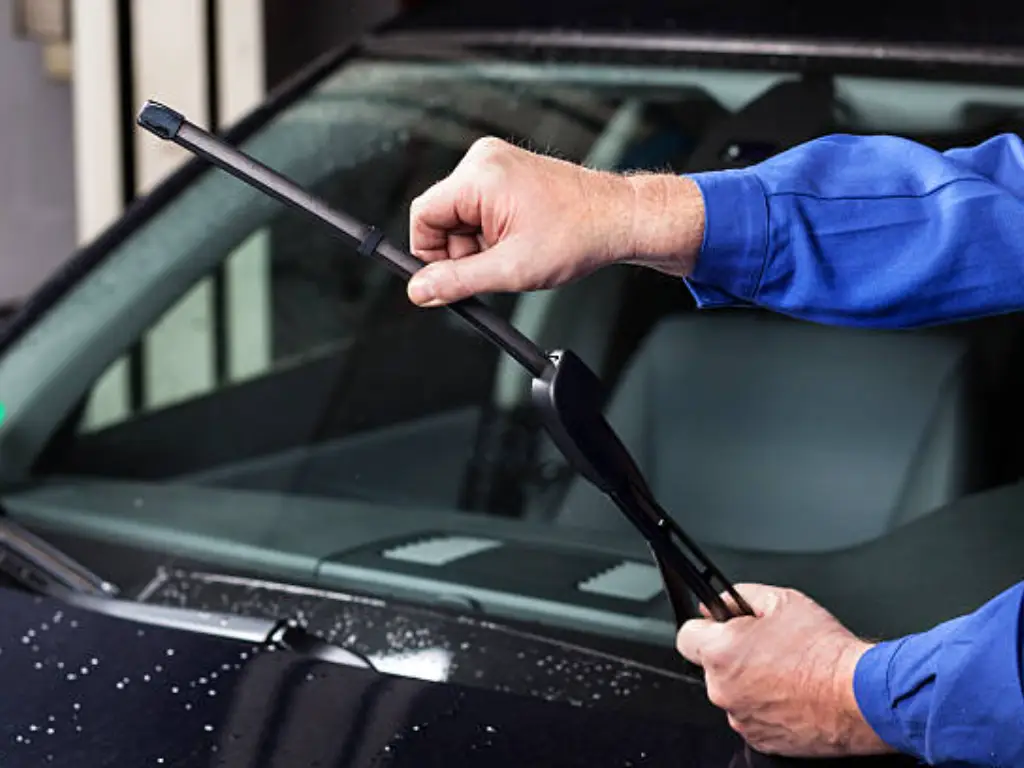
Step 2 — Remove the Old Blade
Look at the connection point where the blade meets the arm. Most vehicles use one of three common connector types:
-
J‑Hook: Lift the small tab underneath the connector, then slide the blade down and away from the arm.
-
Pinch Tab / Top Lock: Squeeze the two tabs together while pulling the blade off.
-
Pin Style: Lift the locking tab and slide the blade off the metal pin.
Once the blade is free, carefully lower the arm onto the towel.
Step 3 — Attach the New Blade
If your new blade comes with multiple adapters, select the one that matches your arm connector. Slide the new blade onto the arm until you hear a click—this confirms it’s securely locked. Gently tug on the blade to make sure it won’t come loose.
💡 Pro Tip: The top of the blade (marked with “TOP” or an arrow) must face toward the windshield. Installing it backward will cause poor wiping and noise.
Step 4 — Remove the Protective Cover
New blades ship with a plastic or paper cover over the rubber edge. Do not skip this step—forgetting to remove the cover will leave streaks and can damage the windshield.
Step 5 — Test the Wipers
Carefully lower the arms back onto the glass. Turn on your wipers (spray washer fluid first to wet the glass) and watch for smooth, quiet operation. The blades should clear the entire wiped area evenly, leaving no streaks or missed spots.
Step 6 — Repeat for the Other Blades
Always replace the passenger side and rear wiper at the same time. Uneven wear between new and old blades can cause the new blade to wear faster.
Common Wiper Arm Connector Types — Identify Yours
Connector type matters just as much as blade length. The table below covers the most common systems:
| Connector Type | Appearance | How to Release |
|---|---|---|
| J‑Hook | Curved metal hook at the end of the arm | Lift locking tab, slide blade down |
| Pinch Tab | Two plastic tabs on the top or sides | Squeeze tabs together, pull blade off |
| Pin Style | Small metal pin (common on GM vehicles) | Lift tab over pin, slide blade off |
| Bayonet | Flat, tongue‑like metal end | Push button or tab, pull straight off |
| Side Pin | Pin protruding from the side of the arm | Depress spring clip, slide blade sideways |
Take a photo of your old blade’s connector before heading to the store. This single picture can prevent buying an incompatible blade.
Signs It’s Time for a Wiper Blade Replacement
Most experts recommend replacing wiper blades every 6 to 12 months, even if they appear fine. Rubber naturally deteriorates from UV exposure, temperature swings, and ozone in the air. Here are the most common warning signs:
Streaking or Smearing
If your wipers leave behind arcs, lines, or patches of uncleared water, the rubber edge has likely hardened or developed nicks. Streaking is the most common indicator of worn blades.
Chattering or Skipping
A blade that jumps or “chatters” across the glass is usually too hard or has lost flexibility. This can also happen if the wiper arm pressure is incorrect, but most often it means the rubber is past its prime.
Squeaking Noises
That high‑pitched squeak isn’t just annoying—it’s a sign that the rubber is dragging rather than gliding. While cleaning can sometimes help, persistent squeaking almost always calls for new blades.
Visible Damage
Cracks, splits, tears, or chunks missing from the rubber edge are obvious indicators that replacement is overdue. Run your fingertip along the blade—if you feel roughness or irregularities, it’s time to swap them out.
Poor Wet‑Weather Performance
If you find yourself needing to turn the wipers to a higher speed just to see, your blades are no longer doing their job effectively. This is especially dangerous at night when glare from oncoming headlights can scatter across a streaky windshield.
Quick Checklist: Is It Time to Replace?
-
Blades are more than 6 months old
-
You see streaking, skipping, or squeaking
-
The rubber feels hard or cracked when touched
-
Your last replacement was before a seasonal change
-
You can’t remember when you last changed them (if so, definitely replace them!)
Expert Tips to Extend the Life of Your Wiper Blades
Once you’ve installed new blades, a few simple habits can add months to their lifespan.
Never Run Wipers on a Dry Windshield
Wiper blades are designed to glide over a wet surface. Running them on dry glass scrapes the rubber edge and causes premature wear. Always spray washer fluid first to wet the windshield.
Clean Blades and Glass Regularly
Dirt, pollen, bug splatter, and road film build up on the rubber, making it glide poorly and wear faster. Once a month, lift the blades and wipe them with a soft cloth soaked in warm, soapy water. Wipe from the center outward to avoid pushing debris back onto the glass. Rinse with clean water and dry with a lint‑free towel.
Park in the Shade
UV radiation is one of the biggest enemies of rubber. Whenever possible, park in a garage or under a carport. If you must park outside, use a windshield sunshade to protect the blades from direct sunlight.
Lift Blades in Winter
Before a snow or ice storm, lift your wiper blades away from the windshield. This prevents them from freezing to the glass. Never use your wipers to clear ice—always use an ice scraper or de‑icer spray first.
Use Quality Washer Fluid
Plain water evaporates quickly, leaving mineral deposits that dry on the rubber. A good washer fluid contains cleaning agents and (in winter) antifreeze properties that keep the system working properly.
Consider Seasonal Blades
If you live in an area with harsh winters, install dedicated winter blades before the first snowfall. These have a protective rubber boot over the frame to prevent ice buildup. Switch back to summer blades in the spring for quieter, more efficient operation on dry roads.
What to Do When Wiper Problems Persist After Replacement
You’ve installed brand‑new blades, but they still streak or chatter. Don’t assume the blades are defective—there could be another issue at play.
Clean the Windshield Thoroughly
Road film, tree sap, and wax residue can create a hydrophobic layer that no blade can overcome. Use a dedicated glass cleaner or a mixture of vinegar and water to deep‑clean the windshield. Consider using a clay bar for stubborn contamination.
Check Wiper Arm Tension
Over time, the spring in the wiper arm can weaken, reducing the pressure that holds the blade against the glass. Conversely, an arm that is bent or misaligned can press too hard in one spot. If cleaning doesn’t help, have a mechanic inspect the arm tension and alignment.
HInspect the Wiper Motor
A failing wiper motor can cause uneven speed, sticking, or grinding noises. If your blades move erratically or fail to park correctly at the bottom of the windshield, the motor may need attention. Replacing blades alone won’t fix a motor problem.
Replace Both Blades as a Set
If you replaced only one blade, the difference in pressure between the new blade and the old one can cause the new blade to wear unevenly or create streaks. Always replace both front blades at the same time.
H2: Frequently Asked Questions About Car and Truck Wiper Blades Replacement
Can I use a different size than what my manual recommends?
Technically, you can, but it’s not advisable. A blade that’s even half an inch too long can hit the windshield trim or the other blade, causing damage. A blade that’s too short leaves dangerous blind spots. Stick with the manufacturer’s specified sizes.
How often should I replace my wiper blades?
Every 6 to 12 months is the standard recommendation. If you live in a hot, sunny climate or drive frequently in harsh weather, lean toward the 6‑month side. In milder conditions, you may get closer to 12 months.
Do I need to replace rear wiper blades as often?
Yes. Rear wipers are exposed to the same UV and weather conditions as front blades and deteriorate at a similar rate. Replace your rear wiper every 6 to 12 months or whenever you notice streaking or skipping on the back window.
Are expensive wiper blades worth the extra cost?
In most cases, yes. Premium beam or hybrid blades last up to twice as long as budget conventional blades and provide better all‑weather performance. Over two years, you’ll likely spend less money overall by buying quality blades less frequently than cheap blades multiple times.
Can I replace just the rubber insert (refill) instead of the whole blade?
Some older vehicles allow this, but most modern blades are designed as a single unit. Refills can be difficult to find and tricky to install correctly. For most drivers, replacing the entire blade assembly is easier and ensures proper fit.
What’s the difference between “winter” and “all‑season” blades?
Winter blades have a rigid rubber boot that covers the entire frame, preventing snow and ice from building up between the metal and the rubber. All‑season blades (beam or hybrid) work well down to about –10°C but can clog in heavy snow. For regions with prolonged freezing temperatures and significant snowfall, dedicated winter blades are worth the investment.
Where to Buy Replacement Wiper Blades
You have several options, each with its own advantages:
-
Online Retailers: Convenient and often offer the widest selection. Be sure to use a fit‑guide tool to verify compatibility before purchasing. Trusted sites like iFixit.org.uk | Repair Guides, Tools & Parts provide reliable fitment information and high‑quality parts.
-
Auto Parts Stores (Physical): You can see the product before buying, ask staff for help, and often get free installation assistance. Many stores will even install the blades for you in the parking lot.
-
Department Stores (e.g., Walmart, Target): Usually carry basic conventional and beam blades at budget prices. Selection and staff knowledge may be limited.
-
Dealerships: Guaranteed OEM fit but typically the most expensive option. Useful if your vehicle uses an uncommon connector type.
💡 Pro Tip: When shopping online, use an in‑store lookup tool or an online guide from a reputable source like iFixit.org.uk | Repair Guides, Tools & Parts to confirm both size and connector type. A little up‑front research saves you the hassle of returns.
External Resources for Further Reading
For more detailed information on wiper blade technology, safety standards, and manufacturer recommendations, consult these trusted sources:
-
Wikipedia — Windshield Wiper: A comprehensive overview of the history, mechanics, and evolution of wiper systems. Source: Wikipedia
-
Consumer Reports — Best Wiper Blades: Independent testing and ratings of top wiper blade brands for various climates and vehicle types. Source: Consumer Reports
📘 Note: For vehicle‑specific repair guides and detailed installation instructions, iFixit.org.uk | Repair Guides, Tools & Parts offers an extensive library of free, step‑by‑step tutorials. Their resources have helped countless drivers perform successful Car and Truck Wiper Blades Replacement with confidence.
H2: Conclusion — Take Action for Safer Driving
Your wiper blades are a critical safety feature, yet they’re often ignored until failure occurs in the worst possible conditions. By following the steps outlined in this guide, you can:
-
✅ Accurately identify the correct blade size and connector type for your vehicle using your owner’s manual, online lookup tools, or direct measurement.
-
✅ Choose the right blade type (conventional, beam, or hybrid) based on your climate, driving habits, and budget.
-
✅ Complete the replacement process safely and correctly in under 15 minutes without special tools.
-
✅ Extend blade life through simple maintenance habits like cleaning, parking in the shade, and using washer fluid properly.
-
✅ Troubleshoot persistent issues by checking windshield cleanliness, arm tension, and motor function.
Actionable Takeaways:
-
Inspect your wipers today — look for streaks, cracks, or noise. If you see any warning signs, replace them immediately.
-
Set a calendar reminder to check your wipers every 6 months. Tie it to another routine task like an oil change.
-
Keep a spare set of blades in your vehicle, especially if you live in an area prone to sudden heavy rain or snow.
-
Bookmark trusted resources like iFixit.org.uk | Repair Guides, Tools & Parts for future maintenance projects.
Don’t wait until you’re caught in a blinding downpour to discover your wipers have failed. A few minutes of proactive care can mean the difference between a stressful, dangerous drive and a clear, confident journey home.
For more detailed vehicle‑specific tutorials and expert repair advice, explore the extensive library at iFixit.org.uk | Repair Guides, Tools & Parts. Their free guides empower everyday drivers to tackle maintenance with confidence—one repair at a time.
Related posts:
![a/c vehicle repair]()
How Do You a/c vehicle repair System That Is Not Blowing Cold Air?
![Engine Repair ifixit.org.uk]()
How Do You Know When It Is Time for a Professional Engine Repair?
![AEE Mach 1 Troubleshooting ifixit.org.uk]()
How Can You Troubleshoot Common AEE Mach 1 Problems and Get Your Action Camera Working Again?
![Why Is My TH700R4 Transmission Shifting From 1st Gear Directly to 3rd Gear and How Can I Fix It]()
Why Is My TH700R4 Transmission Shifting From 1st Gear Directly to 3rd Gear and How Can I Fix It?