A refurbished monitor selling for 70% off its original price looks like an obvious win — until you actually think through what “refurbished” means in practice, and whether the savings genuinely outweigh the trade-offs. Here’s how to actually make that call, not just for monitors, but for any refurbished tech purchase.
The Deal That Raises the Question
A recent example makes the case concretely: Target dropped the Acer PM161Q Portable Monitor from $150 to $45, according to Yahoo Tech’s coverage of the deal, a genuinely significant $105 discount — with the specific catch that this is a refurbished unit, not a brand-new one, professionally inspected, tested, and cleaned according to the listing.
What “Refurbished” Actually Means in Practice
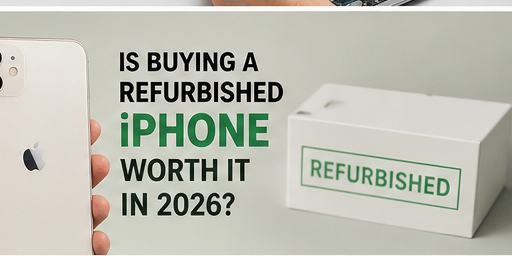
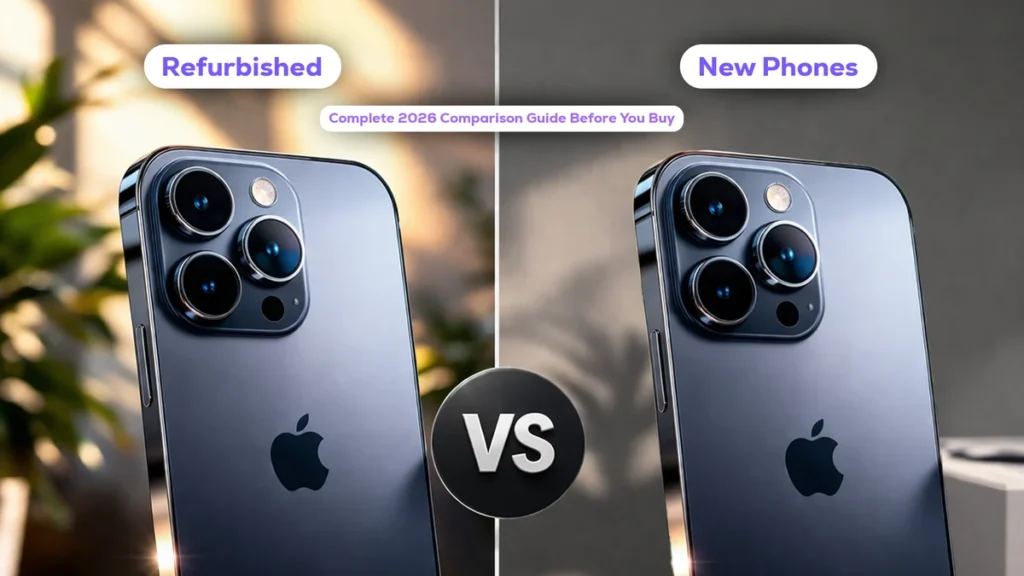
Refurbished generally means a previously owned, returned, or lightly used device that’s been inspected, tested, and restored to working condition before resale — genuinely distinct from “used” (sold as-is, no guaranteed testing) and “new” (never previously owned or used at all). The specific quality and reliability of a refurbished item depends heavily on who did the refurbishing and how thorough that process actually was, which is precisely why not all refurbished listings deserve equal trust.
The Three Tiers of Refurbished Worth Actually Understanding
Refurbished products genuinely split into meaningfully different quality tiers, and knowing which tier you’re buying matters more than the word “refurbished” alone:
- Manufacturer-refurbished: inspected and restored by the original manufacturer, typically the most reliable tier since it usually includes genuine manufacturer testing standards and a real warranty
- Retailer-certified refurbished: inspected by the selling retailer under its own quality standards, generally reliable but worth checking what specific testing and warranty terms actually apply
- Third-party refurbished: restored by an independent seller with genuinely variable quality standards, requiring considerably more due diligence before purchase
What to Actually Check Before Buying Anything Refurbished
Rather than assuming all refurbished listings are equally trustworthy, a few concrete checks genuinely matter:
- Who specifically performed the refurbishment — the original manufacturer, the retailer, or an unnamed third party — since this directly affects how much trust the “tested and inspected” claim actually deserves
- What warranty, if any, comes with the refurbished unit, and how it compares to what a new unit’s warranty would offer
- The specific return window, since a genuinely short or non-existent return policy on a refurbished item is a real red flag worth weighing against the discount
- Whether the listing specifies the actual grade or condition of cosmetic wear, distinct from functional testing claims
When Refurbished Genuinely Makes Sense
Refurbished purchases make the most practical sense for devices where the core function matters considerably more than pristine cosmetic condition, and where the specific savings are genuinely substantial relative to a new unit’s price. A portable monitor, an external hard drive, or basic peripherals are generally lower-risk refurbished purchases than something with a battery whose health degrades over time, like a laptop or phone, where refurbished condition claims deserve considerably more scrutiny specifically around battery health.
When Buying New Is Genuinely the Better Call
For devices where you’ll depend heavily on long-term reliability — a primary work laptop, a phone you’ll use daily for years — the reduced warranty coverage and genuine uncertainty about a refurbished unit’s actual remaining lifespan often make the new-purchase premium worth paying, especially when the price gap between refurbished and new isn’t as dramatic as the monitor example above.
Why Battery-Containing Devices Deserve Extra Scrutiny
Refurbished laptops, phones, and tablets specifically carry a genuine additional risk beyond general functionality: battery health. A device can pass every functional test — display, ports, processor — while still having a battery that’s degraded considerably from new, holding a meaningfully shorter charge than the original specification. Asking specifically about battery health or cycle count, not just general “tested and working” claims, is worth doing before any refurbished purchase involving a battery.
How to Actually Evaluate a Specific Refurbished Deal
Working through a genuine refurbished deal, like the monitor example, involves weighing a few concrete factors together rather than reacting purely to the discount percentage:
- Calculate the actual dollar savings, not just the percentage off, since a large percentage discount on an already-cheap item saves less in absolute terms than it might seem
- Confirm the refurbishing source and any included warranty before treating the discount as risk-free
- Consider how heavily you’ll actually depend on the specific device, and whether reduced long-term reliability assurance is genuinely acceptable for that use case
Why This Matters Beyond Just Saving Money
Buying refurbished, when done with genuine due diligence, also has a real secondary benefit worth considering: extending a device’s usable lifespan rather than contributing to new manufacturing demand reduces genuine electronic waste — a factor worth weighing alongside the direct financial savings for anyone who cares about the environmental footprint of their tech purchases specifically.
How This Connects to Broader Repair-vs-Replace Decisions
Evaluating a refurbished purchase shares genuine decision-making logic with the broader question of repairing versus replacing a device you already own, covered in more depth in our comprehensive guide to deciding between repairing or replacing your laptop or phone, where the same core principle applies — weighing genuine cost savings against real, specific reliability trade-offs, rather than defaulting purely to whichever option looks cheapest upfront.
What to Actually Do Before Your Next Refurbished Purchase
Checking the specific refurbishing source, confirming warranty terms, and honestly assessing how much long-term reliability actually matters for that specific device’s intended use produces a genuinely better refurbished-buying decision than reacting purely to an attractive discount percentage. This connects to [CLIENT LINK PLACEHOLDER] our broader guidance on making informed tech purchasing decisions generally, where understanding exactly what you’re buying consistently beats chasing the lowest sticker price alone.
Frequently Asked Questions
Is manufacturer-refurbished genuinely as reliable as buying new?
Generally, yes for functional reliability — manufacturer-refurbished units typically undergo genuine testing to the same standards as new production, though they may show minor cosmetic wear a new unit wouldn’t have.
Should I always avoid refurbished laptops and phones specifically because of battery concerns?
Not necessarily — just ask specifically about battery health or cycle count before buying, rather than avoiding the category entirely, since some refurbished listings do disclose this detail and offer genuinely acceptable battery condition.
The Bottom Line
A steep refurbished discount, like a portable monitor dropping from $150 to $45, can be a genuinely smart purchase — but only once you’ve actually checked who refurbished it, what warranty applies, and how heavily you’ll depend on long-term reliability for that specific device, rather than treating the discount percentage alone as the deciding factor.